



Will Rogers Memorial Center Coliseum Concourse Renovation
Fort Worth, Texas
Expertise
- Municipal
- Community
Services
- electrical engineering
Size
- 122,725 SF
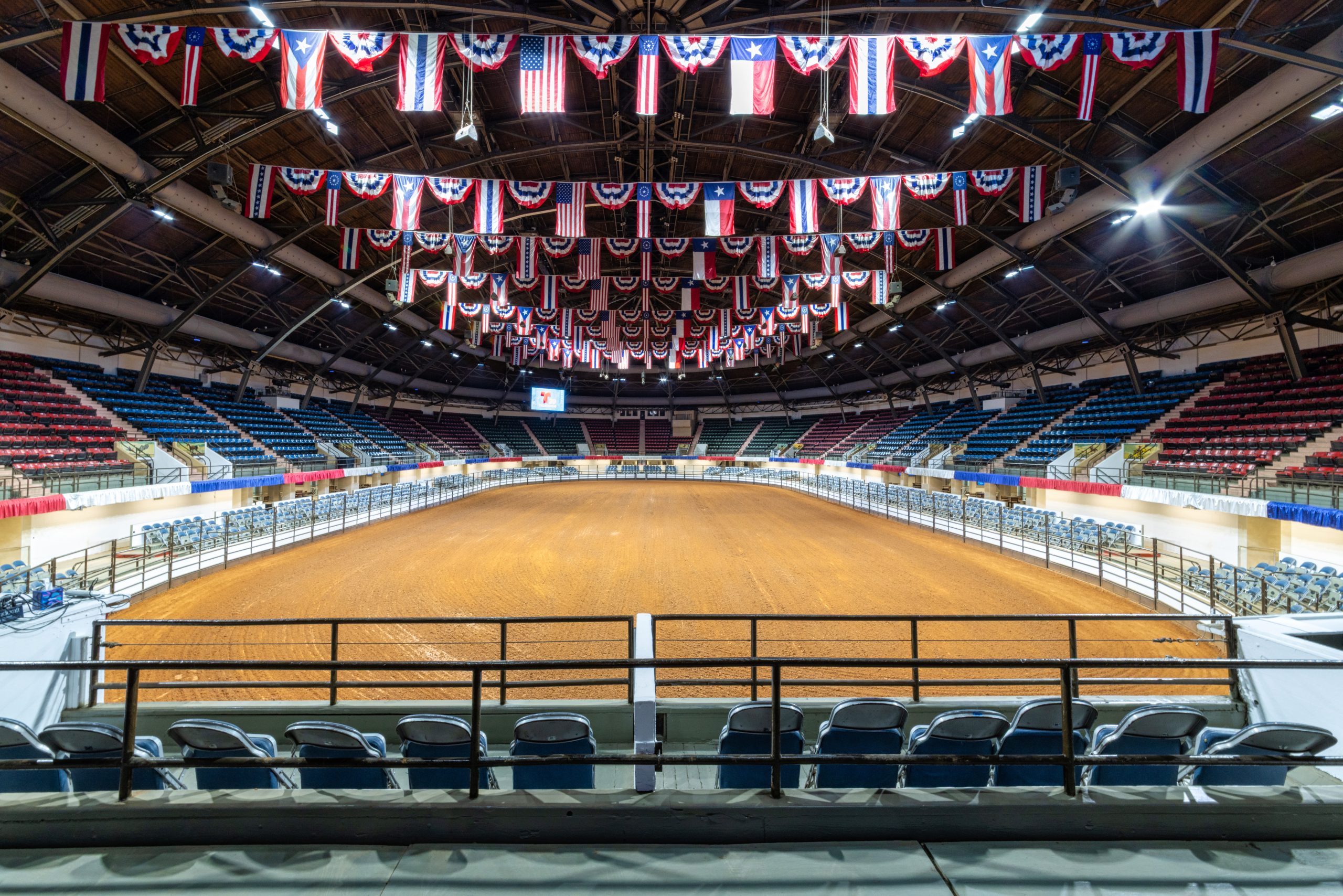
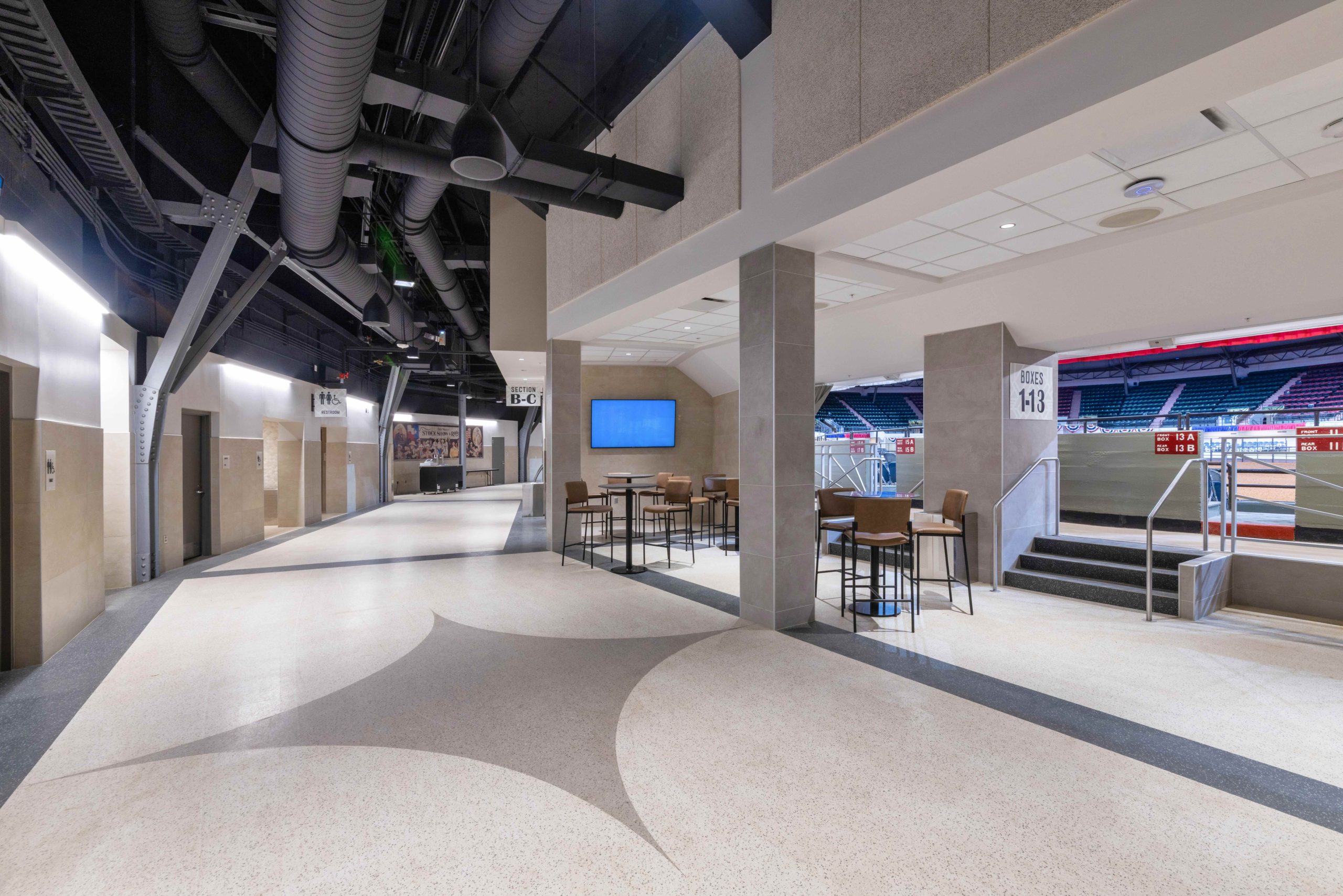
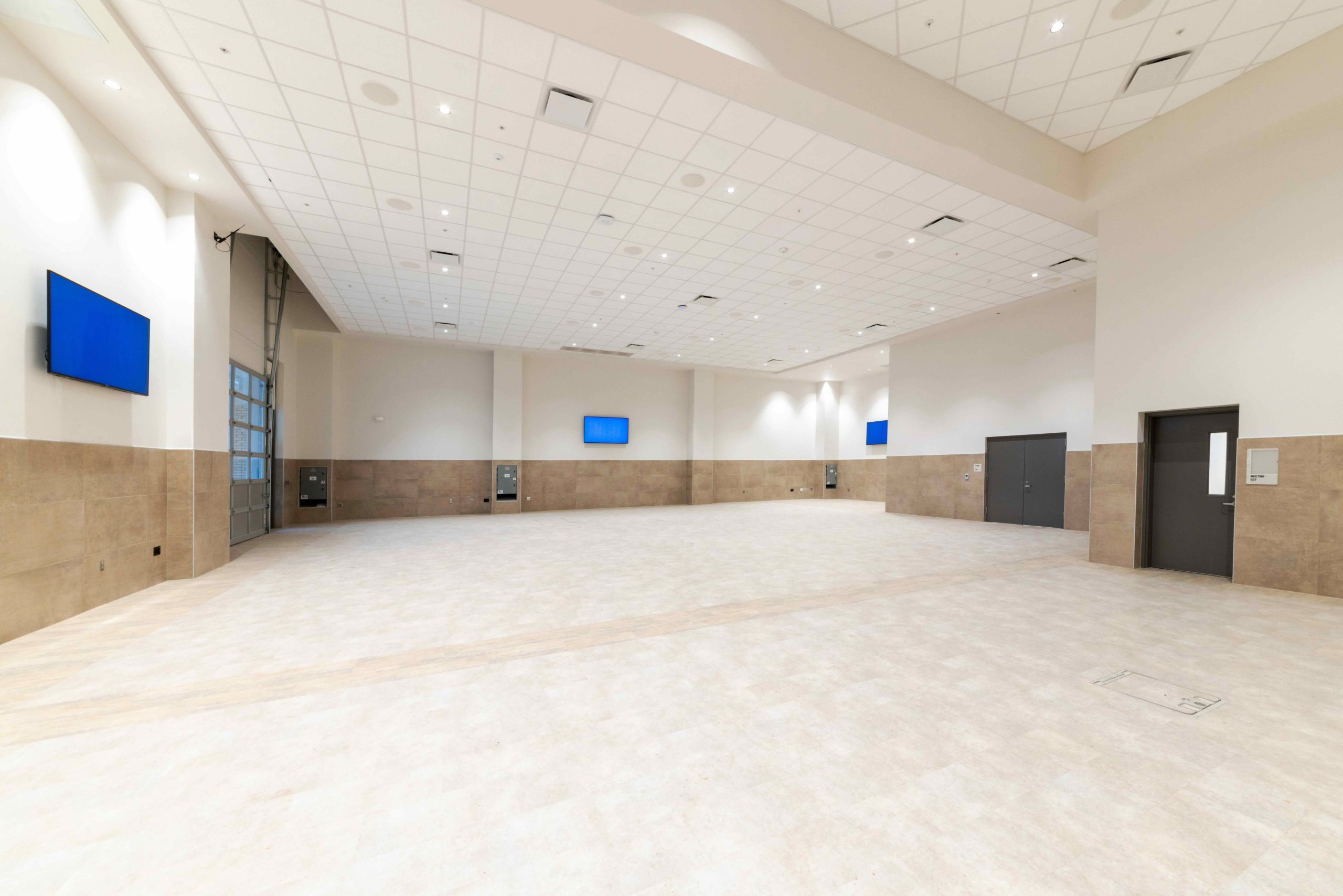
BHB provided electrical engineering services for the comprehensive renovation of the Will Rogers Memorial Center Coliseum, a historic 95,700-square-foot facility originally constructed in 1936. The project encompassed a full modernization of the arena and its adjoining support spaces—totaling approximately 122,725 square feet—and included upgrades to architectural finishes, kitchens, concession areas, audio/visual systems, and mechanical, electrical, and plumbing infrastructure. The primary goal of the electrical scope was to replace aging power distribution and lighting systems to meet current codes, support expanded operational demands, and enhance functionality for modern event and broadcast requirements.
The existing electrical infrastructure dated back to the original construction and consisted of oil-filled transformers and switches located within interior electrical rooms, including installations beneath arena seating and within wood-framed spaces. These conditions presented significant safety, code compliance, and emergency response challenges. BHB was tasked with designing a new electrical distribution strategy that improved resiliency, consolidated service disconnect locations, and relocated hazardous equipment outside of the building envelope in compliance with Fire Marshal and Building Code Official mandates.
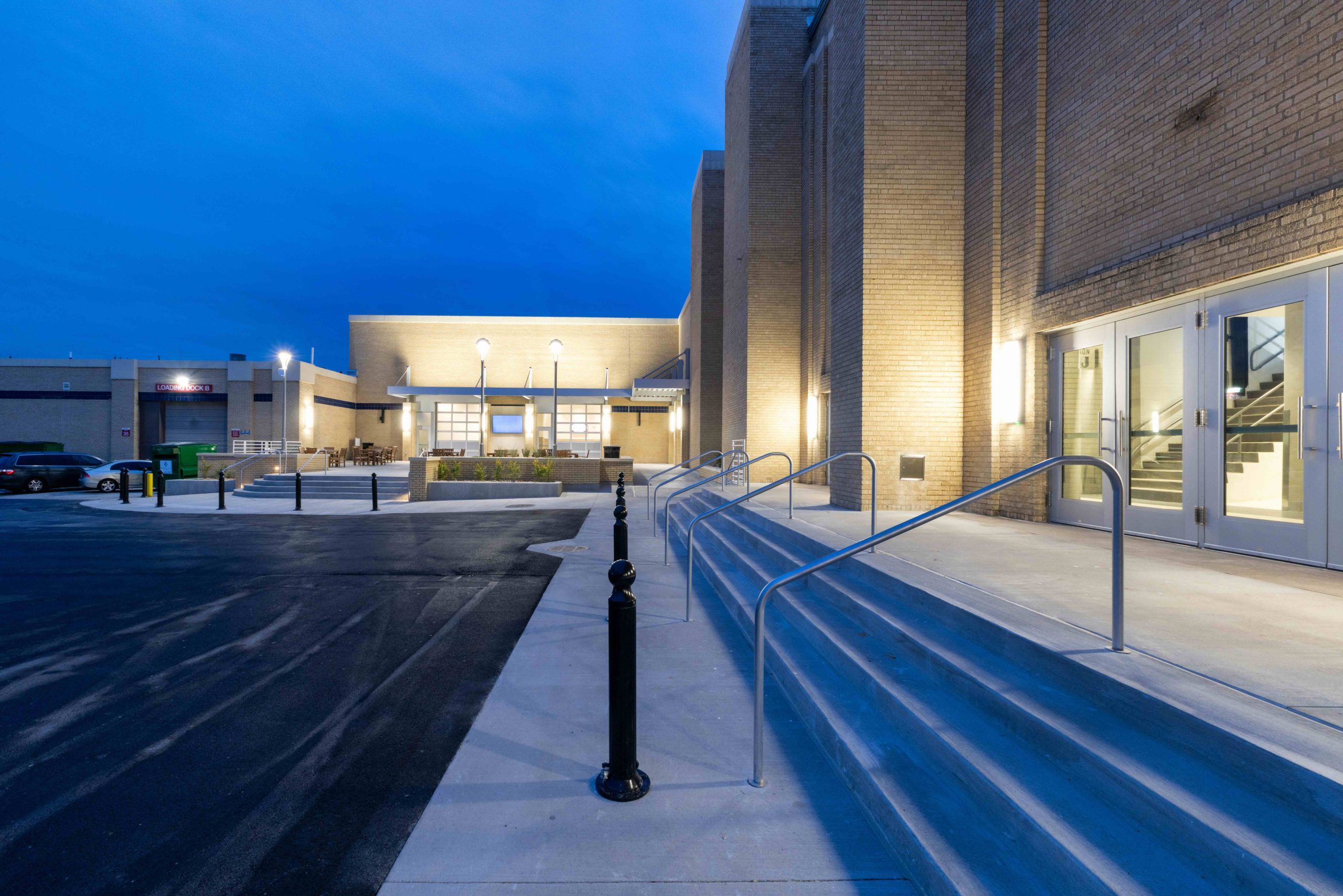
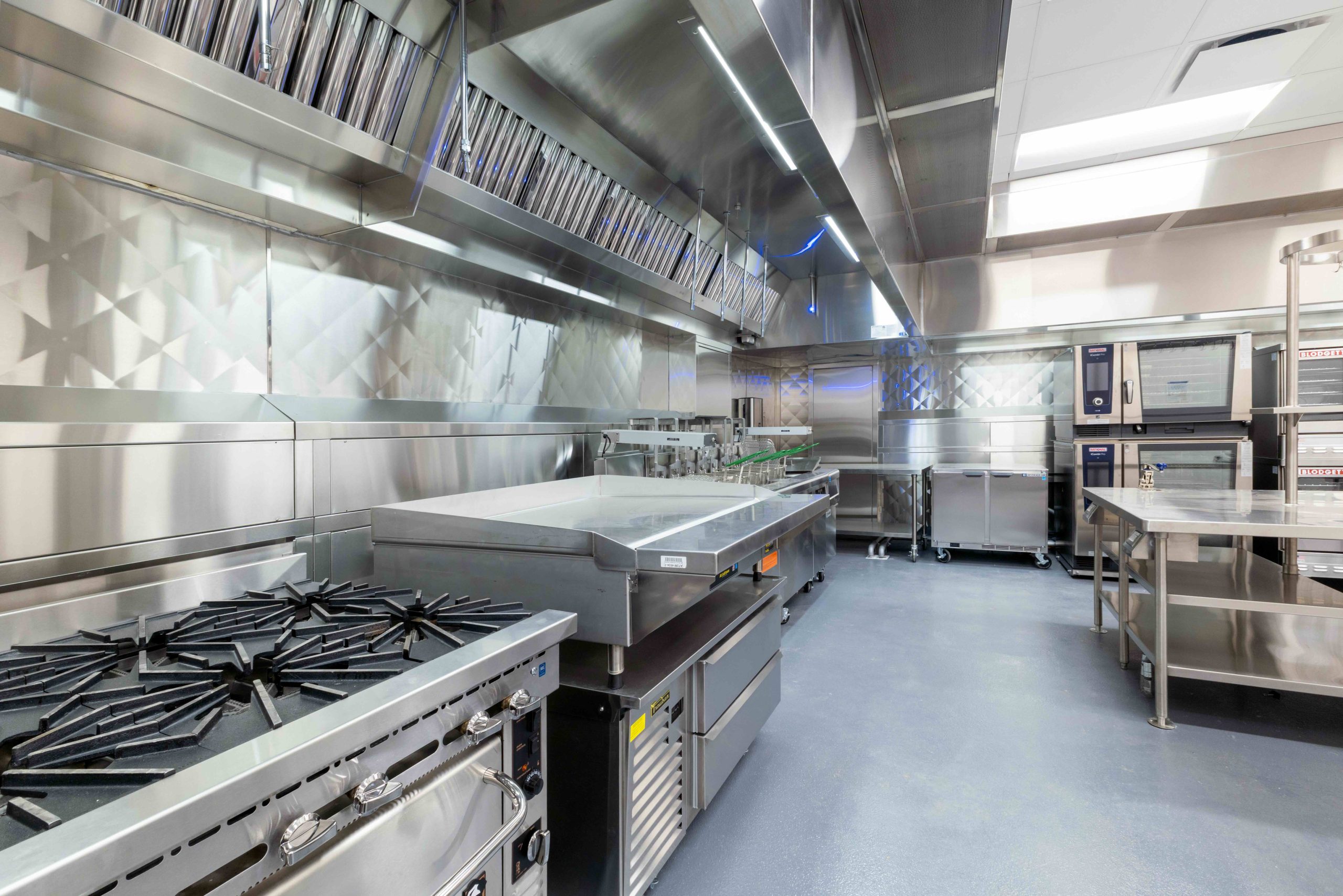
BHB’s design included replacement and expansion of the private 4,160-volt campus distribution loop, electrical connections for new and upgraded mechanical systems, kitchen and concession equipment, audio/visual systems, and video broadcast trucks, and coordination with the electric utility to verify system capacity for a substantial load increase driven by the overall renovation program. Early in design, BHB recognized that a like-for-like replacement of existing transformers would be insufficient due to increased building loads associated with expanded concessions and enhanced amenities intended to align more closely with Dickies Arena.
Multiple transformer and switch relocation strategies were evaluated through iterative design and coordination with the City of Fort Worth, the utility provider, and the broader design team. Initial concepts included on-grade installations at various building locations and rooftop installations to consolidate disconnect points for emergency responders. Stakeholder feedback, aesthetic concerns, evolving building programming, and increased electrical demand ultimately led to a final solution incorporating five pad-mounted, fluid-filled transformers installed on the roof south of the Coliseum dome. While not the least-cost option, this approach satisfied all safety, code, capacity, and operational requirements.
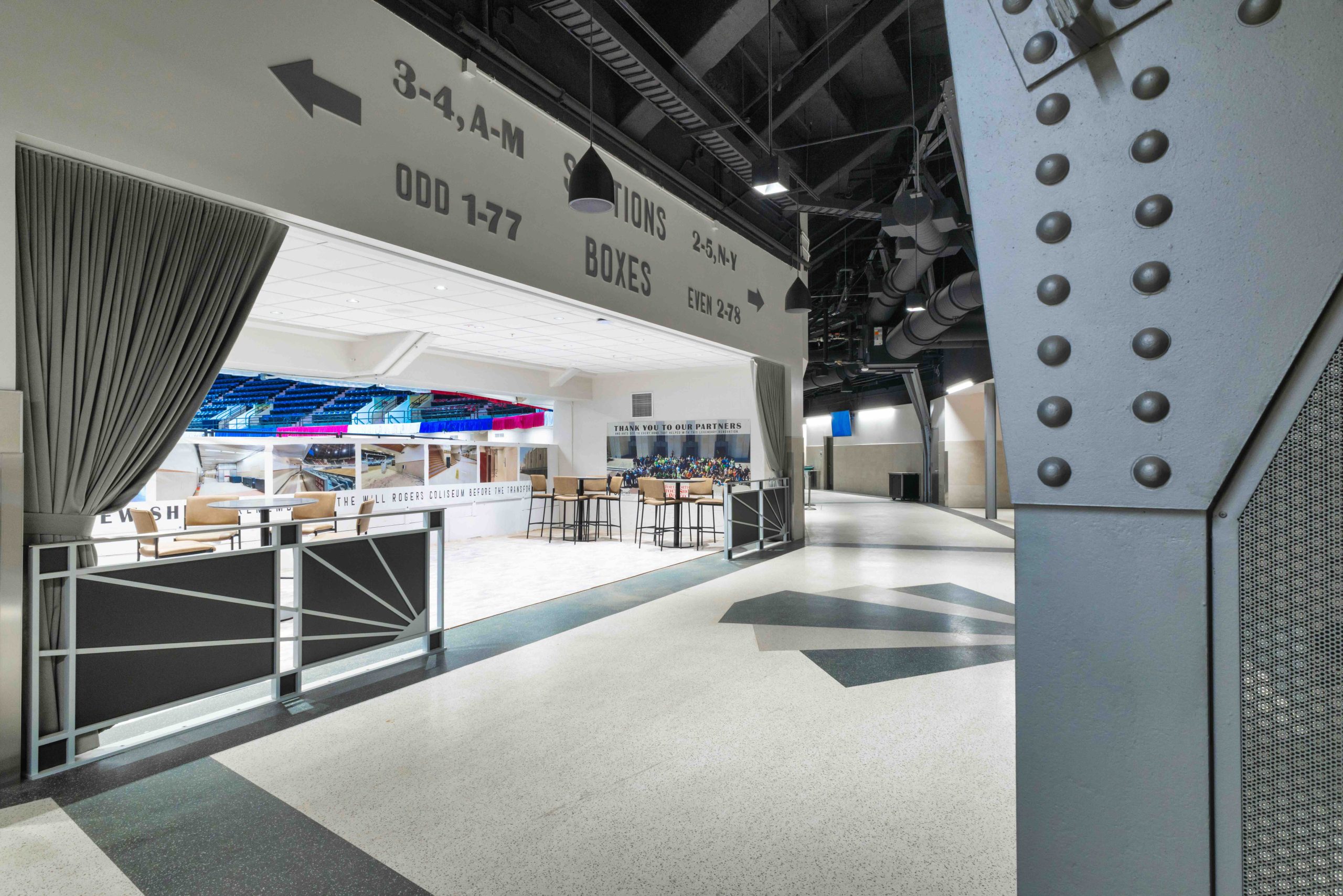
The rooftop transformer solution required extensive interdisciplinary coordination. Structural engineers verified the existing building’s capacity to support transformers weighing approximately 7,660 pounds each. Architectural coordination addressed fluid containment curbs and protective shelters to manage potential leaks and weather exposure, while mechanical engineering provided ventilation strategies to prevent transformer overheating. This configuration reduced service disconnect locations to two clearly identified points acceptable to the Fire Marshal and Building Code Official, while accommodating projected load growth. BHB also identified and replaced undersized cable segments within the existing 4,160-volt campus distribution loop to ensure system integrity. The utility company confirmed their system could support the increased load and coordinated replacement of aging components during the required outage.
Arena lighting was another critical component of the renovation. Existing incandescent, fluorescent, and metal halide fixtures with manual controls were replaced with LED lighting and automatic controls to meet current energy code requirements. For the arena bowl, BHB evaluated the reuse of LED fixtures previously acquired by the City during the Dickies Arena project. The team cataloged available fixtures, verified photometric performance, and coordinated with the structural engineer to develop mounting solutions compatible with the Coliseum’s roof trusses.
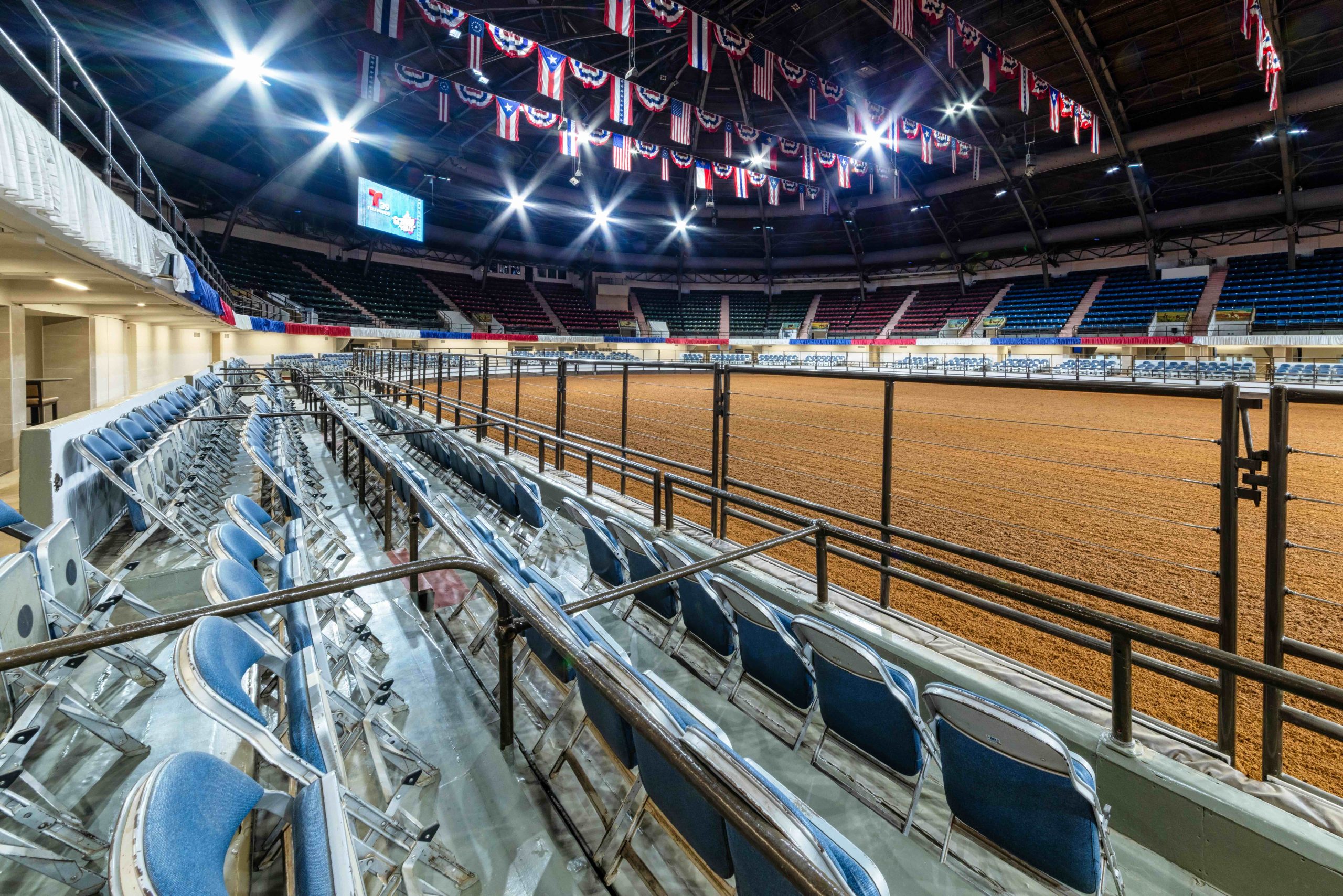
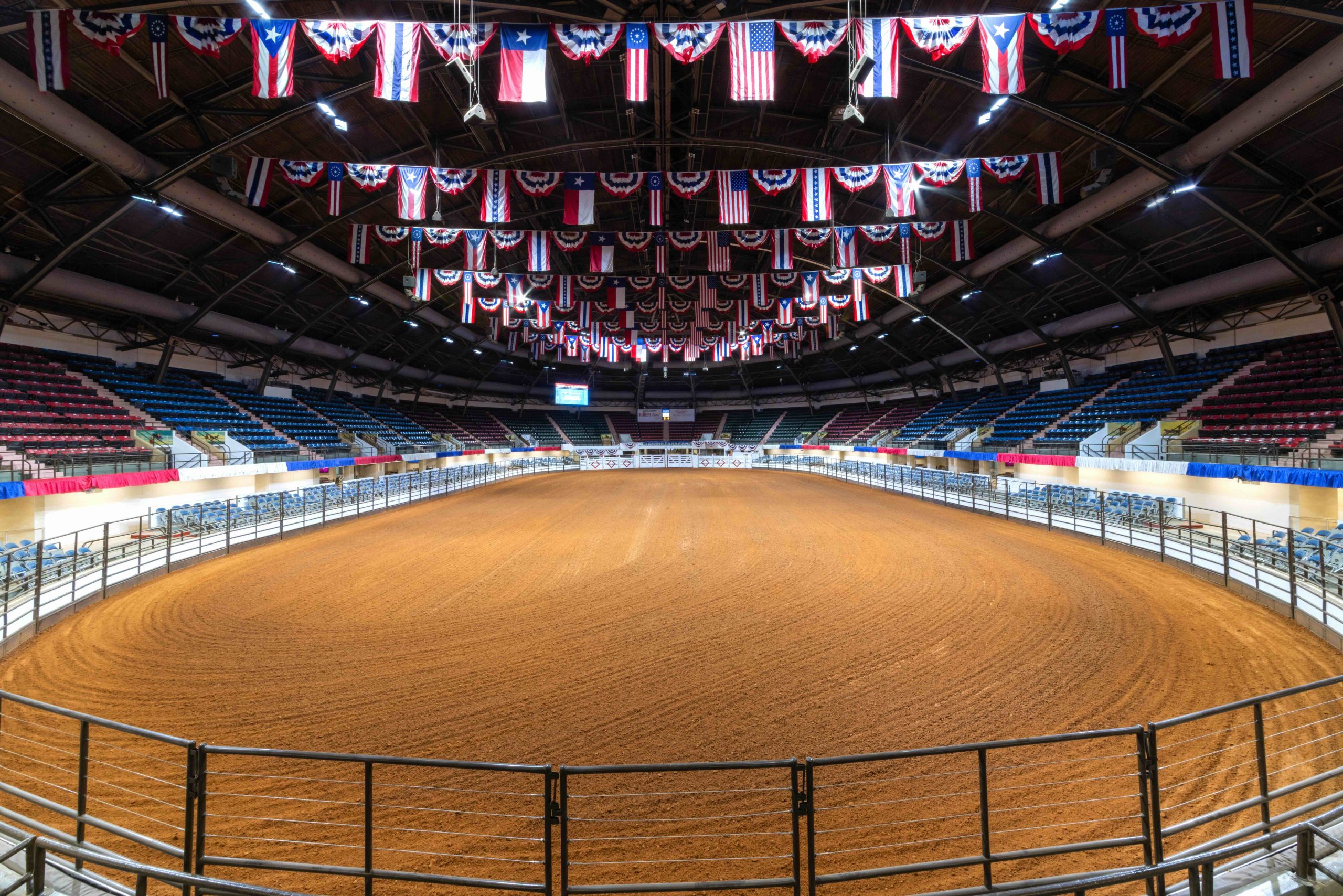
Initial lighting layouts revealed shadowing issues similar to those experienced at Dickies Arena due to a four-sided, center-hung video display board. Through photometric analysis and iterative design, BHB mitigated these issues by increasing fixture quantities and optimizing placement. The Coliseum’s lower mounting heights allowed this approach to succeed where similar solutions were not feasible at Dickies Arena. The final lighting design achieved uniform illumination suitable for televised events while leveraging existing City-owned fixtures, providing both performance and cost benefits.
Overall, BHB delivered a code-compliant, resilient, and forward-looking electrical infrastructure for one of Fort Worth’s most historic venues. The project significantly improved life-safety conditions, emergency response access, power reliability, and lighting quality, while supporting modern broadcast and event requirements. Through extensive coordination, analysis, and iterative problem-solving, BHB successfully modernized the Coliseum’s electrical systems while respecting the constraints and character of the existing structure.
Key People
-

Ken Randall, PE, LEED AP
Ken Randall, PE, LEED AP
Chairman of the Board | Senior Electrical Engineer
Ken Randall’s reputation as a solutions-oriented electrical engineer has enabled him to evaluate and design complex commercial and industrial electrical distribution systems. His projects range from small remodels to new one-million-square-foot buildings.
As Chief Executive Officer, Ken leads the development of BHB’s long and short term strategies along with managing overall business operations and also serves as the electrical team leader. His approach to projects and client service is to continually strive to meet the Owner’s vision and to design with new concepts and technologies with better buildings in mind.
Ken is a former Court Appointed Special Advocate (CASA) of Tarrant County, and he was nominated as Rookie of the Year for the organization in 2014. He is involved in the Texas Society of Professional Engineers, promoting the continuing education of engineers in Fort Worth. Ken and his wife Tammy are active members of Abiding Faith Lutheran Church.
Project Experience
Arborlawn United Methodist Church
Arlington Animal Services Center
Arlington Heights Animal Hospital
Bob Bolen Public Safety Complex
Central Texas College Nursing Center
Doss Heritage and Culture Center
Fort Worth Country Day Lou and Nick Martin Campus Center
Fort Worth Country Day Sid W. Richardson Visual Arts Center
Imperial Construction Office and Shop
Keller ISD Timberview Middle School
Early Learning Center
Mounted Patrol Equestrian Facility
Northpark YMCA
Ott Cribbs Public Safety Center
Rogers Road Pavilion
Tarrant County Downtown Courthouse
Tarrant County Northwest Sub-Courthouse
Tarrant County Sub-Courthouse
TCU Annie Richardson Bass Building
TCU Charlie and Marie Lupton Baseball Clubhouse
TCU Ed & Rae Schollmaier Arena
TCU Frog Alley Parking Garage
TCU Mary Couts Burnett Library
TCU Rees-Jones Hall
Texas Wesleyan University Jack and Jo Willa Morton Fitness Center
Weatherford College Professional Services
Education
University of Texas at Arlington:
Bachelor’s Degree/1998/Electrical Engineering -

Parker Pattillo, PE
Parker Pattillo, PE
Project Manager | Electrical Engineer
Parker Pattillo’s journey toward electrical engineering is rooted in an early fascination with electronics and a dream of becoming a Major League Baseball umpire. From a young age, Parker’s natural aptitude for math gave him the confidence to pursue a career in a technical field, and his interest in problem-solving ultimately led him to study engineering.
Parker first joined BHB as an intern in 2018, where he quickly became drawn to the company’s collaborative atmosphere and the diverse range of projects. He loved the feel and size of the firm, which allowed for both personal growth and the opportunity to work on exciting, varied projects. Now, as a permanent part of the team, Parker enjoys the wide range of challenges his job presents. What he values most is the diversity of projects—no two are ever the same, keeping his work both dynamic and rewarding.
Outside of work, Parker enjoys an active lifestyle with his wife, particularly through their love of national park camping, along with fishing and hunting. He also enjoys motorcycles and video games. When it comes to travel, Parker’s favorite destinations are Italy, for its rich culture and history, and the U.S. National Parks, which offer endless adventure and natural beauty.
It is clear that his passion for exploration and adventure is just as strong in his personal life as it is in his professional career. Whether he’s working on a new project or camping under the stars, Parker approaches everything with the same enthusiasm and sense of discovery that defines his career and personal interests.